


Need Help?
Speak with a human to filling out a form? call corporate office and we will connect you with a team member help.
031 101 3876
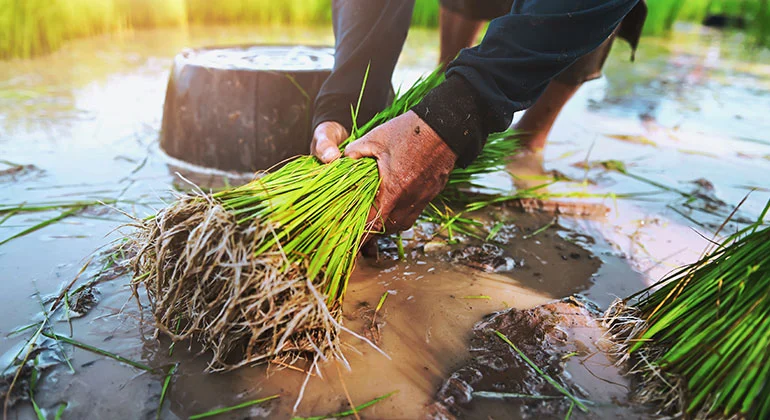
Agriculture Products
Agriculture is the practice of cultivating plants and livestock to provide for human needs. It has been a fundamental part of human civilization, enabling societies to thrive and sustain themselves. Here are some key points about agriculture:
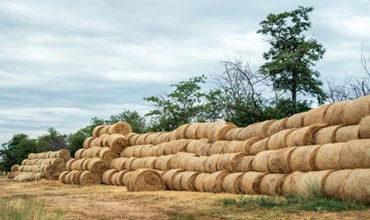
Our Benefits
It has survived not only five centuries em simply dummy text. Duis aute irure dolor in eprehenderit in voluptate velit esse cillum.
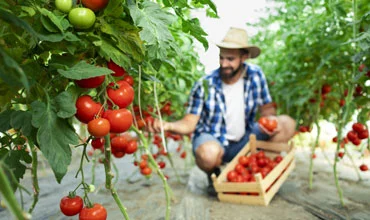
Nsectetur cing elit.
Suspe ndisse suscipit sagittis leo.
Entum estibulum dignissim posuere.
Lorem Ipsum on the tend to repeat.
1. Historical Origins:
- Agriculture began with simple practices such as hunting and gathering.
- The earliest food crops cultivated included rice, followed by other staples like moong, soya, and azuki beans.
- Domestication of animals also played a crucial role in agricultural development. For instance, sheep were domesticated in Mesopotamia, cattle in modern-day Turkey, and pig production emerged in Europe, East Asia, and South Asia.
2. Types of Agriculture:
- Subsistence Farming: Widely practiced, this method involves cultivating small scattered plots of land using draught animals. It provides food and sustenance for local communities.
- Plantation Farming: Focused on cash crops (such as tea, coffee, or sugarcane), plantation farming is often associated with large estates and labor-intensive practices.
- Shifting Agriculture: Also known as slash-and-burn farming, this method involves clearing land, planting crops, and then moving to new areas once soil fertility declines.
3. Impact on Biodiversity:
- Agricultural activities significantly affect a country’s biodiversity.
- Major agricultural products fall into three categories:
- Food Grains: These include grains and cereals consumed directly.
- Fiber Crops: Grown for commercial purposes (e.g., cotton, jute) rather than consumption.
- Raw Materials: Used as inputs in industries (e.g., rubber, timber).
4. Revolutionary Changes:
- Over time, agricultural revolutions have transformed farming practices worldwide.
- Notable examples include the Green Revolution, which improved crop yields through high-yielding varieties and modern techniques.
- Other revolutions include the Yellow Revolution (focused on oilseeds) and the Blue Revolution (aquaculture).
5. Challenges and Innovations:
- Modern agriculture faces issues such as water pollution, genetically modified organisms (GMOs), and farm subsidies.
- Alternative approaches, such as organic farming, aim to address these challenges.
Remember, agriculture is not only about growing crops; it’s intertwined with our history, culture, and livelihoods. Whether you’re a farmer, a consumer, or simply curious, understanding agriculture enriches our appreciation of the natural world.